A Turnkey Emissions Solution for Scaling Peanut Butter Production
Company Overview
A leading US private label food manufacturer packs peanut butter, jelly, and preserves for major grocery chains nationwide. Its facility roasts and grinds raw peanuts on site, turning bulk product into the creamy spread consumers know and love.
Challenge
To meet growing demand, they planned to expand operations with a new production line featuring an additional peanut roaster. This expansion required an air pollution control system capable of efficiently managing VOC emissions from the new roaster.
Two primary solutions were considered:
- Regenerative Thermal Oxidizer (RTO)
- Venturi Scrubber System
Specific Issues
Balancing Emissions with Cost
The pollution control system needed to have minimal upfront and operational cost while still meeting emission thresholds.

Need to share this with stakeholders? Download the case study and pass it along.
Solution
Objective
Identify and implement the optimal air pollution control system that aligns with the peanut butter manufacturer’s efficiency goals and process needs.
Approach
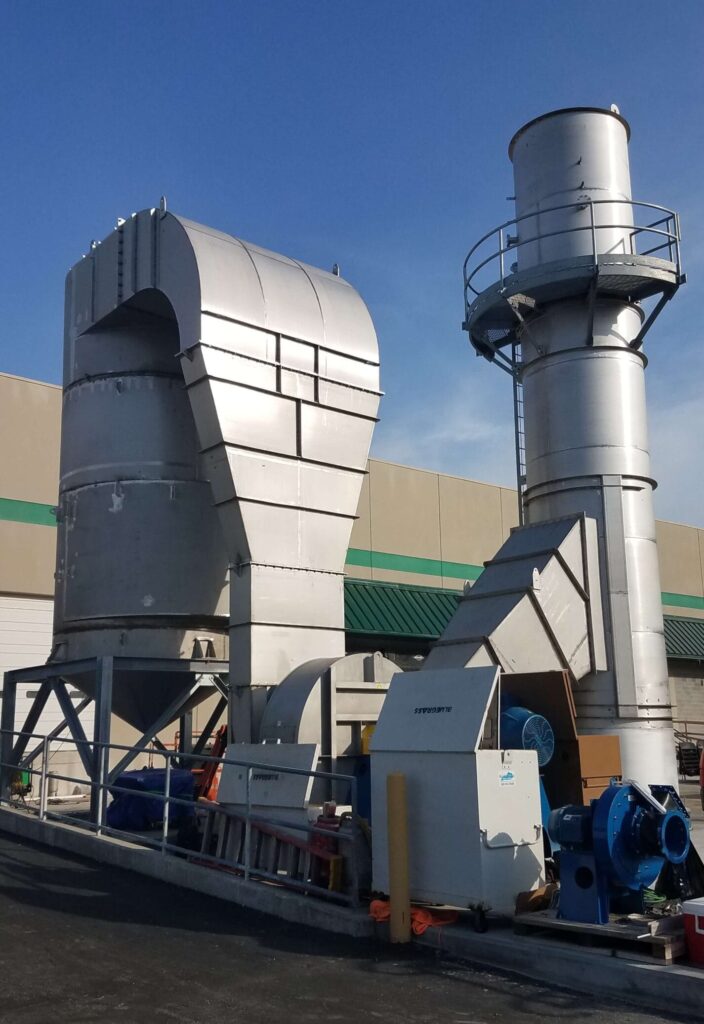
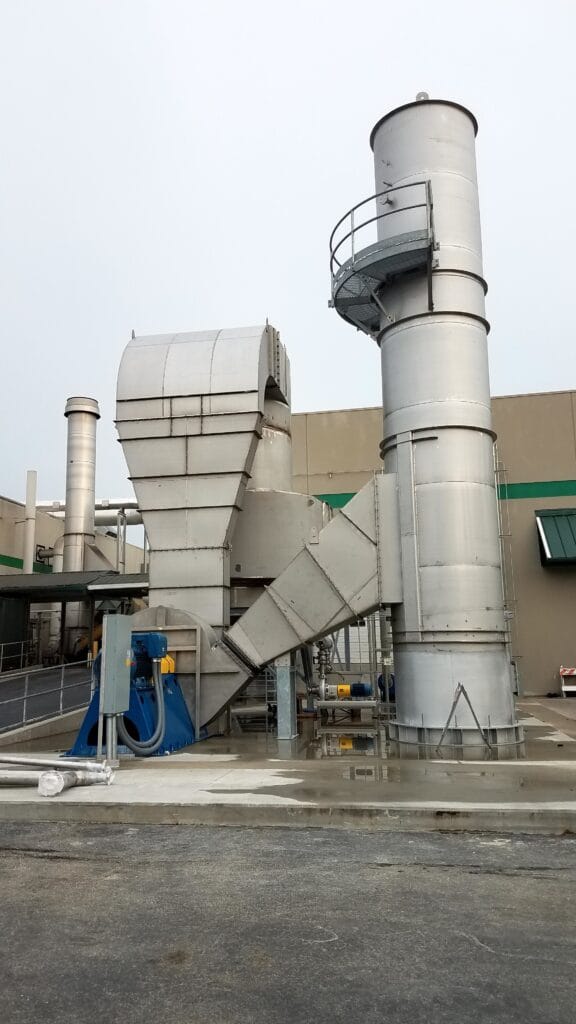
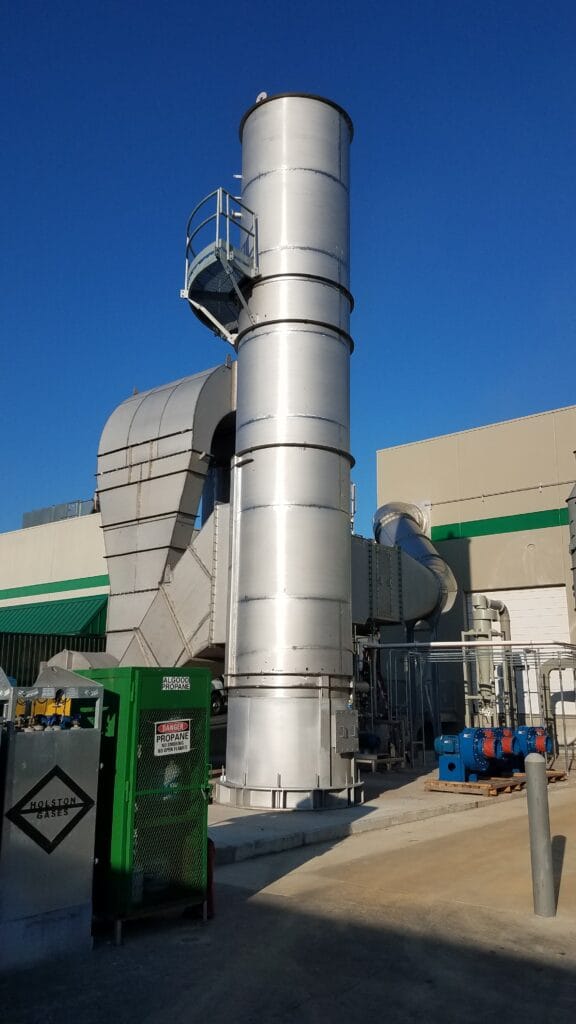
Given the high exhaust temperatures and oil content from the roasting process, HEC identified the venturi scrubber as the most effective and economical solution for capturing particulates and condensing vapor emissions. The food processor ultimately selected HEC’s venturi scrubber system design for its superior technical performance and cost-efficiency, both in terms of capital investment and ongoing operations.
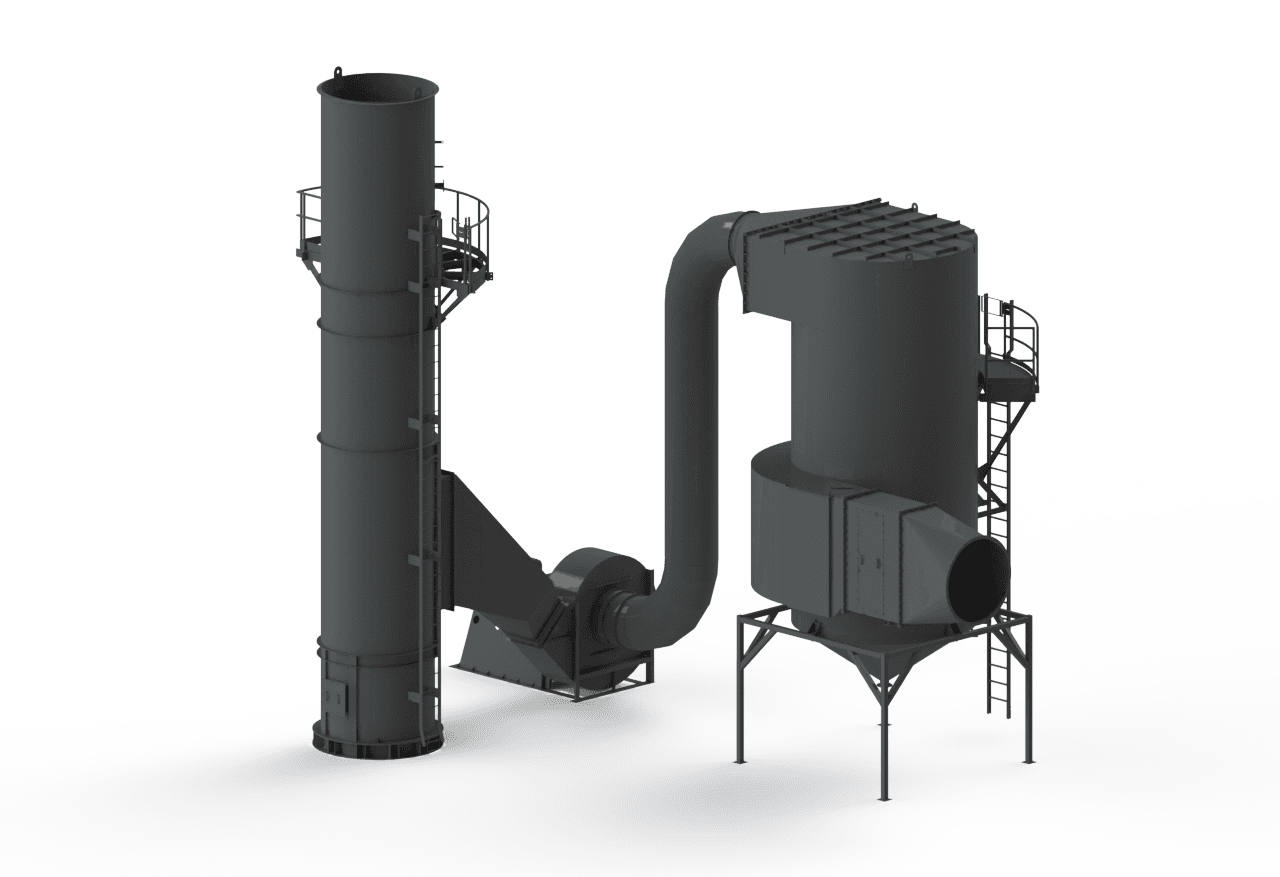
HEC then delivered a full, turnkey system from the roaster outlet to atmospheric discharge, including:
- Exhaust duct from the roaster
- The venturi scrubber
- Duct from the scrubber to the exhaust fan
- Exhaust fan
- Duct from the exhaust fan to the outlet stack
- The outlet stack
- Supports for all equipment
- A water recirculation system
- Sensors for monitoring the system
Conclusion
The project was executed between December 2023 and June 2024. The manufacturer successfully commissioned the scrubber system in June/July 2024, and it has operated reliably since launch, achieving both regulatory compliance and cost efficiency.